Tel: +86-18662220131
 Email: info@cjeqpt.com


 Sitemap


Tel/Whatsapp : +86-18662220131
Tel : +86-512-83869990


Tel/Whatsapp : +86-18662220131
Tel : +86-512-83869990
Email : info@cjeqpt.com
Skype : +86-18662220131
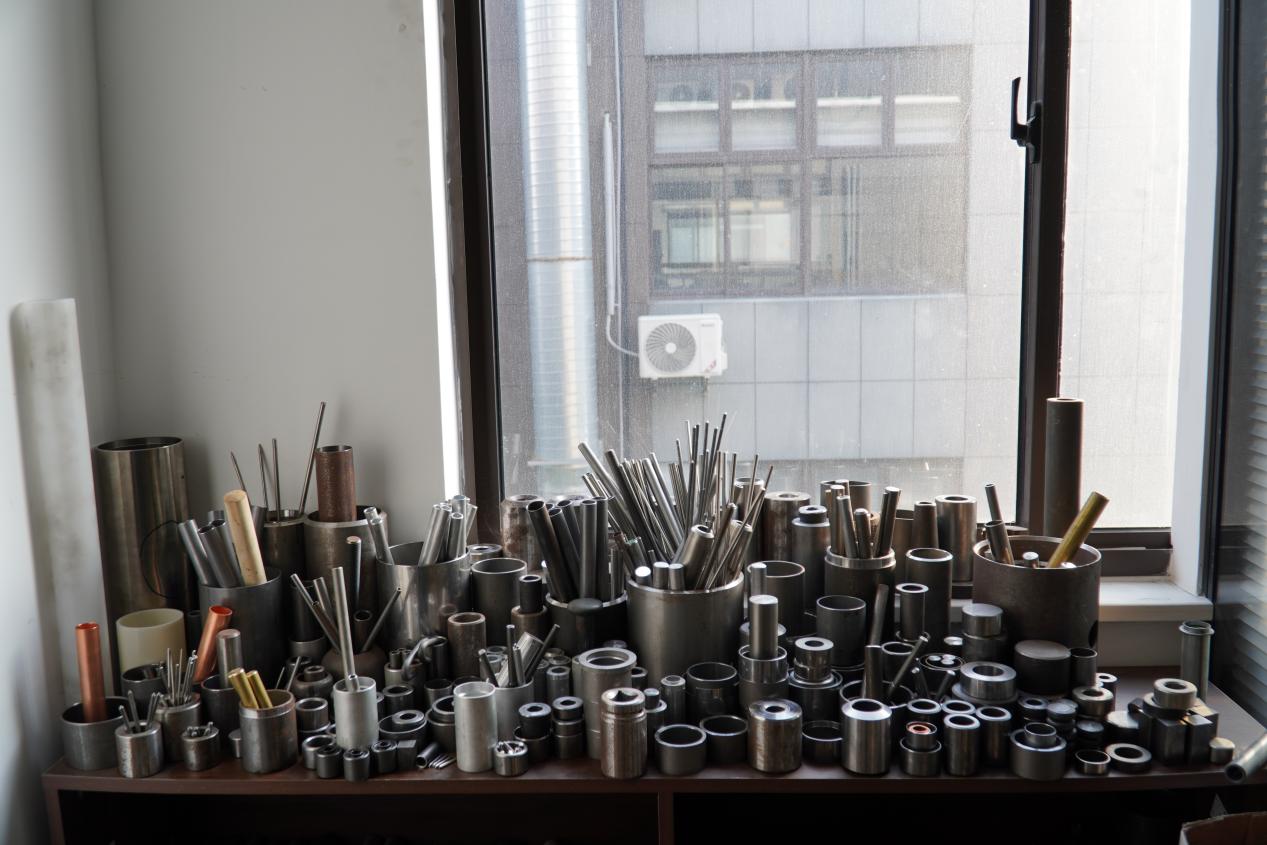
Tube chamfering is an essential process in the field of metal fabrication and tube manufacturing. This machining technique involves beveling the edge of a tube to remove burrs, facilitate assembly, and prepare the part for further processing. Whether used in the production of plumbing, automotive, or aerospace components, tube chamfering plays a vital role in ensuring structural integrity and a professional finish.
Enhancing Assembly and Fit
One of the primary purposes of tube chamfering is to improve the assembly process. A smooth, angled edge can ease the mating of tubes with other components, reducing the risk of misalignment and leakage. This is especially critical in fluid transport and piping systems, where a tight, secure fit is essential for maintaining pressure and preventing damage or failure. Chamfered edges allow for simpler and more reliable welding, gluing, or mechanical fastening, resulting in a more durable end product.
Improving Safety
From a mechanical standpoint, sharp edges on tubes can lead to worker injuries during manual handling or assembly. Chamfering removes these hazardous burrs, thereby reducing the risk of cuts and abrasions. In industries where safety is of utmost importance, such as construction and aerospace, ensuring that every tube has a smooth edge contributes to a safer working environment. A reduction in workplace accidents not only protects employees but also minimizes the costs associated with injury claims and downtime.
Enhancing Aesthetic Appeal
In many applications, the visual quality of a finished product is just as important as its functionality. Tube chamfering contributes to the overall appearance by creating clean, smooth edges that provide a refined look. This is critical for consumer products and architectural elements, where first impressions matter. A polished, burr-free edge not only signals quality craftsmanship but also adds value to the final product, making it more competitive in the market.
Facilitating Secondary Operations
Tube chamfering is often a necessary precursor to further machining or surface treatment processes. Smooth edges enable more efficient painting, coating, or anodizing by ensuring an even application of the finishing material. In automated production lines, consistent chamfered edges can lead to fewer disruptions, higher throughput, and ultimately, lower production costs. Additionally, chamfering can enhance dimensional accuracy and help to maintain the uniformity of tube geometry during subsequent assembly operations.
Reducing Maintenance and Increasing Durability
A tube with a chamfered edge experiences less wear and tear compared to one with sharp, irregular edges. Chamfering disperses stress concentrations that typically occur along sharp corners, reducing the likelihood of premature cracks or fractures. This not only extends the life of the component but also improves overall system reliability. For industrial applications that operate under high pressure or in corrosive environments, the longevity provided by chamfered tubing can result in significant cost savings over time.
Pipe chamfering is much more than a simple finishing step in pipe fabrication—it is a vital practice that ensures higher quality, safety, and efficiency in the installation process. From facilitating robust welds to reducing stress concentrations, the benefits of implementing proper chamfering techniques are clear. Whether in industrial applications, plumbing, or complex fabrication projects, understanding the purpose and advantages of pipe chamfering can help engineers and fabricators achieve reliable, long-lasting results.